
Three Reasons Why Disposable ECG Leads Are Recommended
Leave a message
Three Reasons Why Disposable ECG Leads Are Recommended
Infection prevention has always been a top concern for clinicians who have been working hard to stop the spread of germs in patient populations.
Research shows high levels of bacterial contamination in some reusable medical consumables, and U.S. hospitals have increasingly turned to single-patient monitoring consumables, such as disposable non-
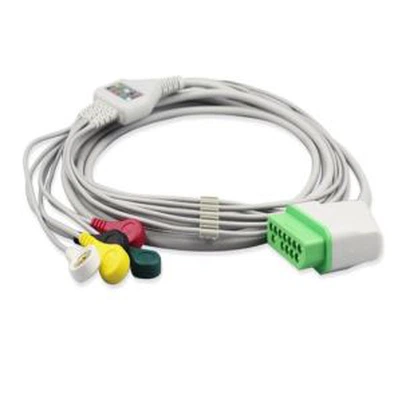
Therefore, the use of disposable ECG leads can prevent the risk of infection. In addition, the use of disposable ECGs is recommended for the following three reasons:
1. Improve patient care and satisfaction
Consumer-driven healthcare trends and the role of patients in deciding where to receive treatment have intensified competition among healthcare provider organizations. Healthcare organizations want to provide the best possible service to their patients and strive to be considered high quality in their communities. As a result, these institutions put patient care and safety first in every choice they make. This includes using the highest quality capital equipment as well as the highest quality accessories.
High-quality, single-use ECG leads can enhance the quality and safety of patient care in healthcare facilities. As patients become increasingly concerned about hospital infection rates and complications, avoiding infection from the use of repetitive consumables becomes even more important.
2. Clinical efficacy and employee satisfaction
Another disadvantage of reusable ECG leads compared to disposable ECGs is durability and reliability. The internal wires wear out over time, causing an inaccurate EKG display. It can take a lot of time and effort for a clinician to troubleshoot a monitor that is actually caused by a problem with the ECG lead wires.
When the ECG fails, clinicians must remove the ECG leads and replace them with new ones, which can prolong care and cause increased patient discomfort. It is important to note that reducing patient exposure can improve patient satisfaction and reduce the risk of nosocomial feelings.
In a study that found that single-use ECG leads were significantly less likely to report errors compared to repetitive ECG leads, the researchers concluded that single-use ECGs "can save nurses time, reduce errors, and improve patient safety. ."
3. Supply standardization and savings
Health systems and hospitals are increasingly working to standardize supplies to reduce complexity and cost. Standardizing on one brand of single-use ECG leads can simplify the inventory management process while reducing storage requirements.
In conclusion, the use of single-use ECG leads can have profound benefits for hospitals, physicians, nurses, and patients.
(Note: The above is translated from Endeavor Business Media)